rPET, rPBT, rPTT, rPEN: An AI-Driven Polyester Recycling Revolution
Published on June 23, 2026
rPET, rPBT, rPTT, rPEN: An AI-Driven Polyester Recycling Revolution
Driven by the dual goals of carbon neutrality and global sustainable development, the plastic circular economy is moving from concept to large-scale implementation. As one of the most widely used polymer materials, recycling polyester is not only a necessity for saving resources but also a strategic direction for industry upgrades.
Among various recycled polyesters, recycled polyethylene terephthalate (rPET), recycled polyethylene naphthalate (rPEN), recycled polybutylene terephthalate (rPBT), and recycled polytrimethylene terephthalate (rPTT) are carving out differentiated recycling paths in different application areas, thanks to their unique performance advantages.
How can these diverse polyester wastes be given a new lease on life instead of being downgraded or incinerated? Shanghai Matwings Technology's AI protein design platform Matwings Venus™ (Xiaowu™) is giving precise solutions straight from the molecular source.
1. Recycled PET (rPET): The Largest Force in Recycling

rPET
Polyethylene terephthalate (PET), the classic commodity polyester, is made by polymerizing terephthalic acid with ethylene glycol (Tg around 75-80°C, Tm around 255°C) and is the most consumed polyester plastic worldwide. Its main applications are highly concentrated: bottle-grade PET accounts for about 30% of global PET consumption and is widely used in food packaging like bottled water, carbonated drinks, and cooking oil; fiber-grade PET (polyester) makes up about 60% of the market and is the basic raw material for the textile and apparel industry. Besides that, PET is also widely used in sheets, electronics, and appliances.
Recycling and reusing discarded PET has become a hallmark of the circular economy. Currently, the main recycling paths for rPET include mechanical and chemical recycling. Mechanical recycling is simple but tends to degrade material performance, while chemical recycling (including thermo-catalytic, alcoholysis, ammonolysis, hydrolysis, electrocatalytic methods, etc.) can achieve molecular-level recycling but faces the challenge of high catalyst costs.
Market research reports show that by 2025, China's recycled PET market will reach 23.14 billion yuan, and the global recycled PET market will reach 83.209 billion yuan (RMB). A report from NexantECA indicates that the global demand for recycled polyester will hit 12 million tons in 2025. Recycling 1 ton of waste polyester bottles can produce about 0.9 tons of recycled polyester fiber, while saving 6 tons of oil and 3 cubic meters of landfill space. China’s capacity for recycled chemical fibers has already approached 12 million tons, with an output of about 6.45 million tons.
On the tech front, chemical recycling continues to make breakthroughs. For example, PET waste can be depolymerized via ethylene glycol alcoholysis into the BHET monomer and then repolymerized to produce recycled PET. Also, enzyme-based recycling technologies show huge potential—by modifying specific degrading enzymes, discarded PET like polyester fabrics and beverage bottles can be broken down at room temperature and pressure. Through crystallization and distillation, monomer products like recycled terephthalic acid (rPTA) and rEG (recycled ethylene glycol) can be obtained and then repolymerized into recycled PET.
2. Recycled PEN (rPEN): A recycling breakthrough for high-performance barrier materials

rPEN
Polyethylene naphthalate (PEN) belongs to the polyester family along with PET. By replacing the benzene ring with a rigid naphthalene ring, PEN's performance has been greatly enhanced (Tg around 120-125°C, Tm around 262°C). Its most notable advantage is gas barrier performance—PEN's oxygen barrier can be up to 5 times that of PET, and its carbon dioxide barrier about 4 times that of PET. Its heat resistance is roughly 50°C higher than PET, and it also has stronger UV resistance and chemical corrosion resistance.
These features make PEN particularly suitable for high-end barrier packaging: including craft beer bottles and carbonated drink bottles that need long shelf life, medical blister packs, and high-barrier food containers. In the electronics and electrical fields, PEN films are used as flexible circuit board substrates, capacitor films, and solar cell backsheet materials due to their excellent dimensional stability and heat resistance. Additionally, PEN has irreplaceable advantages in heat-resistant components like automotive sensor housings and optical fiber sheaths.
However, recycling PEN faces bigger technical challenges than PET. The presence of the naphthalene ring makes depolymerization more difficult, and traditional chemical recycling methods like alcoholysis and hydrolysis require more stringent reaction conditions. Current research focuses on optimizing depolymerization catalysts and reaction process parameters to achieve efficient depolymerization and monomer recovery of PEN. With the growing demand for high-performance packaging and electronics, breakthroughs in recycled PEN technology will become an important complement to the polyester circular economy.
3. Recycled PBT (rPBT): The circular upgrade of engineering plastics

rPBT
Polybutylene terephthalate (PBT), an engineering plastic-grade polyester with 1,4-butanediol as the monomer (Tg about 40-45°C, Tm about 225°C), offers excellent mechanical strength, electrical insulation, and chemical resistance. About 80% of PBT applications are concentrated in the engineering plastics field, with core scenarios including: automotive parts (such as headlight housings, sensor connectors, ignition coil skeleton, wiper arms, etc.), utilizing their heat resistance, oil resistance, and dimensional stability; Electronic and electrical appliances (such as relay housings, switch connectors, integrated circuit sockets, etc.), leveraging their excellent electrical insulation and precision molding capabilities; as well as precision mechanical components such as industrial gears and bearing cages. Additionally, about 20% of PBT is used in the fiber sector, mainly for producing highly elastic garment fabrics.
The recycling and regeneration of PBT is also an important part of the polyester circular economy. In chemical recovery, to address challenges such as low yield during chemical recycling of waste PET/PBT and the tendency for 1,4-butanediol to undergo high-temperature cyclization, researchers have developed ethylene glycol low-temperature depolymerization and regeneration technology. This technology achieves high-quality PET/PBT recycling through steps such as low-temperature depolymerization of ethylene glycol, transesterification of depolymerization, and melt polymerization of regenerated dimethyl terephthalate (DMT). Under optimized process conditions, the depolymerization rate can reach 100%, the yield of recycled DMT can exceed 91.4%, and the thermodynamic properties of recycled PBT meet the requirements of primary spinning-grade PBT.
It is worth noting that the national standard GB/T 40006.10-2025 "Plastics—Recycled Plastics Part 10: Polybutylene Terephthalate (PBT) Materials"—released in October 2025 (officially implemented in May 2026), provides a standardized basis for classification, naming, technical requirements, and test methods for PBT recycled plastics. The introduction of this standard marks the entry of rPBT's industrialized application onto a track of standardized and large-scale development.
Additionally, in the field of upcycling, a research team inspired by DNA editing technology has precisely converted discarded PBT into higher-performance polyadipate-butylene terephthalate (PBAT) through modular molecular editing strategies, and verified industrial scalability at a 100-liter pilot scale. This "turning waste into treasure" upgrade and recycling approach opens a new path for the high-value utilization of rPBT.
4. Regenerative PTT (rPTT): The convergence of bio-based and regenerative technologies

rPTT
Polytrimethylene terephthalate (PTT) is a high-performance polyester made from terephthalic acid (or dimethyl terephthalate) and 1,3-propanediol (PDO) through esterification and polycondensation. Due to the odd-carbon chain structure of 1,3-propanediol, the trimethylene units in PTT's crystalline regions adopt a highly extended chain conformation, unlike the contracted zigzag conformation of PET's ethylene glycol segments. This makes PTT chains more likely to return to a low-energy state after external forces are removed, giving PTT excellent elastic recovery (stretch recovery can exceed 90%) and cationic dyeability at normal pressure (Tg around 50-55°C, Tm around 228-230°C). Over 90% of PTT applications are in textiles, with key uses including high-end stretch fabrics (like stretch jeans, sportswear, and swimwear, which are more resistant to chlorine and aging than spandex), carpets (taking advantage of its excellent resilience and stain resistance, especially for long-pile carpets), and close-fitting garments like underwear and socks. PTT also has some applications in engineering plastics, mainly for manufacturing mechanical parts that require high rebound elasticity.
The recycling path of PTT is closely tied to the development of bio-based materials. Bio-based PTT uses 1,3-propanediol derived from biomass conversion (like corn starch fermentation), giving it renewable attributes. In terms of recycled PTT, in 2023 companies were able to produce the world's first batch of rbPTT (recycled bio-based PTT) by combining bio-enzymatically recycled rPTA monomers with bio-based PDO, marking a breakthrough in creating recycled PTT products from scratch. This was followed by the first global thousand-ton order of a bio-enzymatically recycled polyester product, making recycled PTT fibers a highly recyclable and sustainable green fiber.
Looking at market prospects, industry research forecasts that the global bio-based PTT market will be around $800 million in 2025 and could reach nearly $2 billion by 2032, with a compound annual growth rate of about 14%. As a point of convergence between bio-based and recycling technologies, recycled PTT is expected to play an important role in high-end textiles and sustainable materials.
5. The Key to Breakthrough: From "Violent Demolition" to "Precise Cutting"
After reviewing the characteristics and potential of the four major recycled polyesters, a core contradiction emerges: these materials have different chemical structures, yet existing recycling technologies struggle to "precisely distinguish" and process them.
Traditional physical recycling methods typically involve uniformly crushing, melting, and repelling waste polyester. Under this method, waste mixed with PET, PBT, PTT, or even trace amounts of PEN is often downgraded for use, with greatly reduced heat resistance and mechanical properties, ultimately ultimately facing incineration or landfill.
Although chemical recycling can depolymerize polyester into monomers and achieve molecular-level regeneration, it is also costly—the high temperature (usually above 200°C), high pressure, and catalytic environments with strong acids or bases not only consume large amounts of energy but also damage certain sensitive monomers. A typical example is: during PBT depolymerization, 1,4-butanediol easily cyclizes at high temperatures to form the byproduct tetrahydrofuran (THF), reducing product purity; PTT's 1,3-propanediol (PDO) is also prone to dehydration loss under high-temperature acidic conditions, directly affecting the polymerization quality of recycled materials; In contrast, PEN has lower depolymerization efficiency and more stringent conditions due to the rigidity and steric resistance of the naphthalene ring.
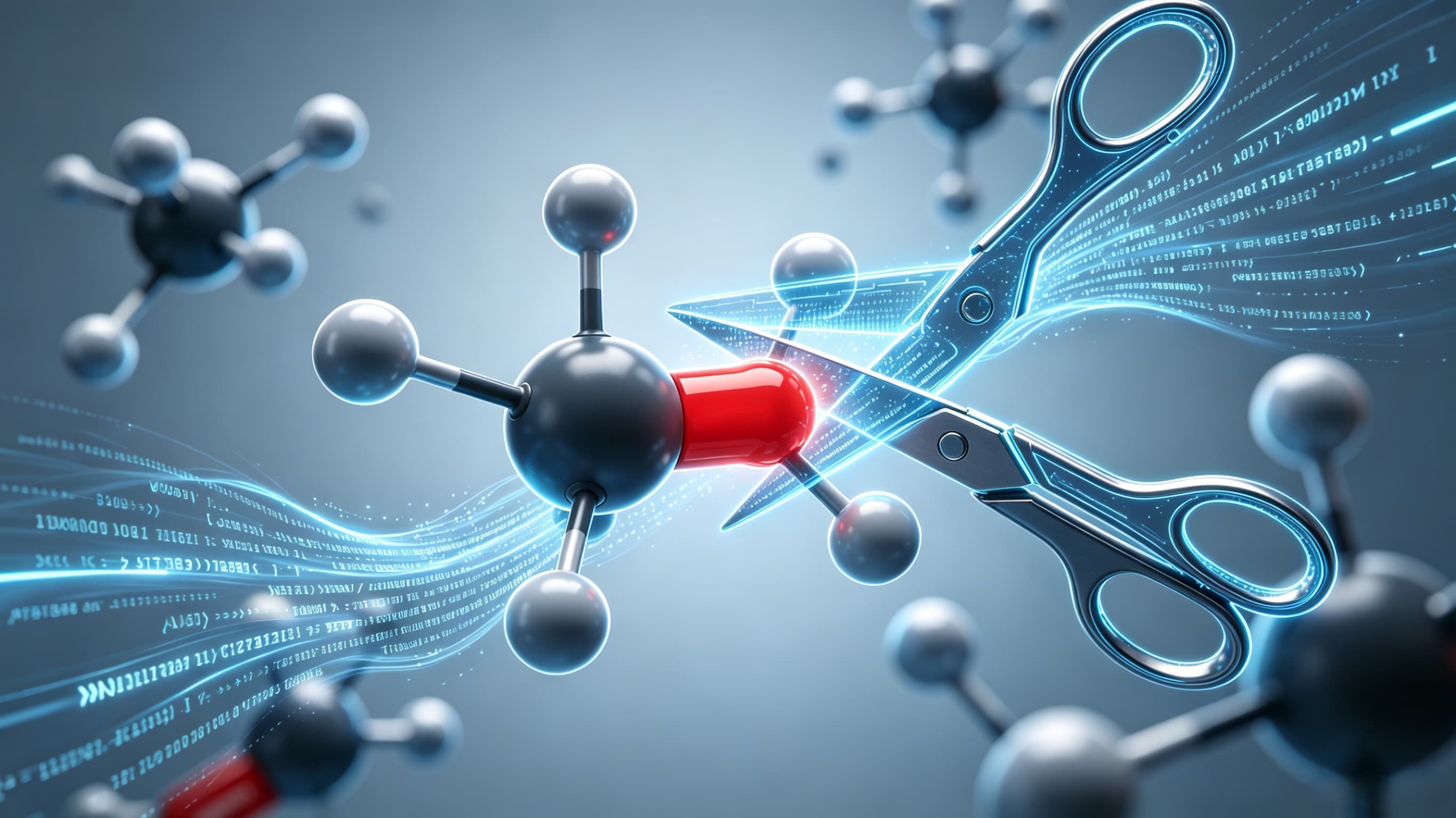
The emergence of biological enzymatic methods has brought a turning point to this dilemma. Unlike the "brute-force" thermochemical method, enzymatic recovery is like a precise scalpel—in a relatively mild aqueous environment, enzyme molecules precisely identify and break ester bonds in polyester molecular chains, breaking down polymer chains into monomers without damaging the monomer structure. But the problem is: among polyester hydrolases discovered in nature, most have the highest catalytic efficiency for PET. Research shows that although the same PET hydrolase (such as the LCC ICCG variant) can act on PTT and PBT, its degradation rate significantly decreases as the glycol chain segment lengthens—PBT has higher hydrolysis stability than PTT, and PTT is higher than PET. However, due to the rigidity and high crystallinity of the naphthalene ring, no natural esterase with significant catalytic activity has been found for PEN. To unlock these four enzymatic recovery pathways for recycled polyester, it is necessary to design new hydrolases that can adapt to different chain lengths of glyols and even handle large naphthalene ring groups.
This is precisely where AI protein design platforms can play a decisive role.
6. AI-Driven Recycled Polyester R&D: A New Paradigm with MatwingsVenus™ (Xiaowu™)
To tackle the challenges mentioned above, Shanghai Matwings Technology launched the conversational protein R&D agent MatwingsVenus™ (Xiaowu™). This platform is agent-centered, supports retrieval of tens of billions of real-labeled protein data, and integrates 200 protein design tools, 50 platform-certified experts, and 30 skills fine-tuned by specialists in various fields. Users just need to input their task goals in natural language, and the system automatically breaks down the tasks, coordinating the appropriate design, prediction, analysis, and screening capabilities to accomplish deep research, enzyme mining, directed evolution, de novo design, and automated wet-lab collaboration.
The core value of MatwingsVenus™ (Xiaowu™) lies in connecting the full workflow of "deep research → database retrieval → AI protein design → automated experimental validation → iterative optimization of results." Through a self-developed communication mechanism, the platform links AI design results directly to the automated shared lab, enabling robots to handle sample preparation, protein purification, and functional testing. The experimental results are then fed back into the next round of AI design, forming an iterative "conversational dry-wet loop."
In real project verifications, MatwingsVenus™ (Xiaowu™) has been used by leading clients across innovative drugs, in vitro diagnostics, industrial enzymes, and nutrition and health sectors. For instance, the platform helped a listed pharmaceutical company optimize the key raw materials in the purification process of its flagship product, completing the development in 11 months and improving alkali resistance fourfold. This capability can also be applied in the recycled polyester field—whether it's screening high-performance PET hydrolases, optimizing catalysts for PBT depolymerization, or designing efficient depolymerase systems for PEN. MatwingsVenus™ (Xiaowu™) offers R&D teams one-stop support from AI design to experimental validation.
For these four types of recycled polyester, the MatwingsVenus™ (Xiaowu™) platform shows a clear path for AI empowerment:
In the rPET field, the catalytic activity and thermal stability of PET hydrolase are the key bottlenecks determining the economic feasibility of enzymatic recovery. The MatwingsVenus™ platform integrates hundreds of billions ™ of protein sequence data with 200 protein design tools, enabling multiple rounds of virtual mutation screening for hydrolytic enzymes through an AI directed evolution module. The platform has previously successfully uncovered high-performance PET hydrolases such as KbPETase—which remains stable at nearly 80°C and has catalytic efficiency 97 times that of template enzymes—proving the practical feasibility of AI in polyester enzyme recovery, and is expected to further obtain enzyme variants that efficiently depolymerize PET under mild conditions and generate high-purity BHET monomers.
Progressing to rPBT, a major challenge in PBT chemical recovery is that 1,4-butanediol easily cyclizes at high temperatures to form the byproduct tetrahydrofuran (THF), reducing product purity. The MatwingsVenus™ ™ platform has substrate-specific modification capabilities—it can computationally simulate and optimize the amino acid residue arrangement at enzyme activity centers, enabling precise identification of target substrate molecules. In theory, this capability can be used to design hydrolases that specifically recognize butylene glycol stretch conformations in PBT molecules, reducing byproduct formation at the source and improving regenerative monomer purity.
To overcome rPTT, it is necessary to focus on protecting the key monomer of 1,3-propanediol (PDO). Under reaction conditions, PDOs are prone to side reactions such as dehydration, which affect the polymerization quality of recycled PTT. The multi-objective collaborative optimization capability of the MatwingsVenus™ ™ platform can simultaneously address multiple indicators such as activity and stability, promising to screen enzyme variants that efficiently break ester bonds while maximizing PDO monomer integrity, ensuring the quality of raw materials for subsequent polymerization of high-performance rPTT.
Directly targeting rPEN, enzymatic depolymerization of PEN faces dual challenges: first, PEN's Tg reaches about 120°C, far exceeding the thermal stability limit of all known PET hydrolases (maximum Tm around 95°C), meaning that at enzyme survivability temperatures, PEN strand segments remain in a frozen glassy state; Second, the rigid structure and larger volume of naphthalene rings place higher demands on the spatial inclusiveness of substrate bonding pockets. The generative AI models on the MatwingsVenus™ ™ platform have "de novo design" capabilities from function to sequence, enabling the design of entirely new enzyme structures tailored to the molecular characteristics of PENs with substrate-binding cavities better suited to substrate binding cavities, accommodating rigid naphthalene dicarboxylic acid groups—providing a new path for breaking through the technical bottleneck of PEN biodepolymerization.

Featured on the 36Kr list
It's worth mentioning that Matwings Technology was recently selected for 36Kr's "Top 100 Most Valuable Growth Companies of 2026" list with Matwings Venus™ (Xiaowu™), ranking in the AI/large model track. This recognition marks that AI-driven protein research platforms are gradually becoming the infrastructure in the fields of biomanufacturing and material innovation.
7. Conclusion
A deeper transformation is happening — the R&D paradigm of polyester recycling is being reshaped by AI. When AI-powered protein design capabilities are deeply integrated with the recycled polyester industry, every recycling plant will no longer just be a rough melting and granulation workshop, but a data-driven "molecular refinery." The core question for the future of polyester recycling won't be "Can it be recycled?" but "How efficiently and with how little energy can a closed loop be achieved?"
This AI-driven polyester recycling revolution is just getting started.